
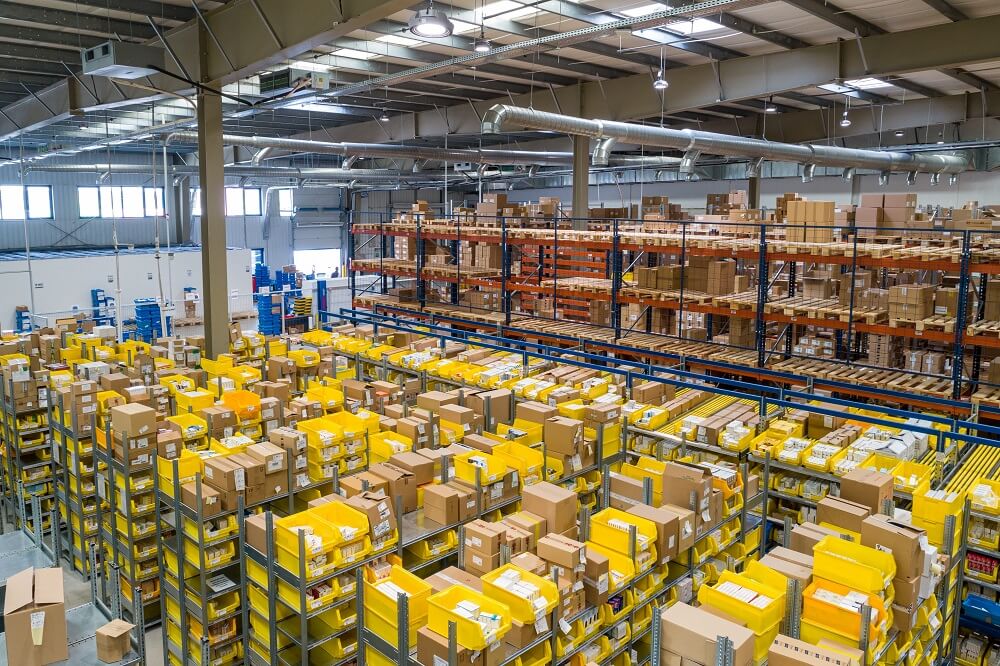
The Multi-Channel Opportunity (and Challenge)
Selling on a single platform is leaving money on the table. The average ecommerce brand that expands from one channel to three sees a 190% increase in revenue within the first year. But here’s what nobody tells you: multi-channel selling also increases your operational complexity by 300%+.
Every new channel means:
- Another inventory pool to manage
- Another set of shipping SLAs to meet
- Another integration to maintain
- Another source of returns to process
- Another customer service queue to monitor
This guide shows you how to sell on Shopify, Amazon, Whatnot, and other platforms simultaneously without drowning in operational complexity.
The Multi-Channel Landscape in 2026
| Channel | Best For | Typical Margin | Fulfillment Requirement |
|---|---|---|---|
| Shopify (DTC store) | Brand building, highest margins | 60–80% | Self-managed or 3PL |
| Amazon (FBA/FBM) | Volume, discovery | 30–50% | FBA or Merchant Fulfilled |
| Whatnot | Live commerce, engagement | 50–70% | Fast ship, same-day processing |
| TikTok Shop | Social commerce, virality | 40–60% | Strict SLA (24–48h ship) |
| Walmart Marketplace | Mass market reach | 35–55% | 2-day shipping expected |
| eBay | Collectibles, used goods | 50–70% | Flexible, buyer expectations vary |
| Wholesale/B2B | Volume, predictability | 20–40% | Palletized, EDI compliance |
The Core Challenge: Unified Inventory
The #1 problem in multi-channel selling is inventory synchronization. When you list the same product on five platforms, you need a single source of truth for how many units are actually available.
What Happens Without Unified Inventory
- You have 10 units of a popular item
- You list all 10 on Shopify, Amazon, and Whatnot
- 8 sell on Whatnot during a live stream
- Your Shopify and Amazon listings still show 10 available
- 3 more sell on Shopify before the sync catches up
- You’ve now sold 11 units of a 10-unit item
- Result: cancelled orders, angry customers, platform penalties
Solution: Single Source of Truth
The architecture that works:
[3PL Warehouse] → Real-time inventory count (SOURCE OF TRUTH) ↓ [Integration Layer] → Pushes available quantity to all channels ↓ [Shopify] [Amazon] [Whatnot] [TikTok] [eBay]
When a sale happens on ANY channel, the integration layer:
- Decrements the source of truth immediately
- Pushes the updated count to ALL other channels
- Resolves conflicts if simultaneous sales exceed available stock
Inventory Allocation Strategies
Strategy 1: Shared Pool (Recommended for most sellers)
All channels draw from the same inventory pool. Simple, maximizes sell-through, but requires fast sync to prevent oversells.
Strategy 2: Allocated Pools
Reserve specific quantities for each channel. Example: 60% for Shopify, 25% for Amazon, 15% for Whatnot. Prevents oversells but may leave inventory stranded on slow channels.
Strategy 3: Hybrid (Best for live sellers)
Shared pool for always-on channels (Shopify, Amazon) with temporary reservations for live events (Whatnot streams, TikTok LIVE). After the event, unreserved inventory returns to the shared pool.
Channel-Specific Fulfillment Requirements
Shopify (Your DTC Store)
- Shipping expectation: 2–5 business days (you set the expectation)
- Packaging: Full brand control — custom boxes, inserts, tissue paper
- Returns: You define the policy
- Key metric: Delivery speed affects repeat purchase rate
Amazon
- FBA: Ship to Amazon warehouse, they handle fulfillment
- FBM (Merchant Fulfilled): You ship directly, must meet Prime-like speed
- Packaging: Amazon’s requirements (no branded packaging in FBA)
- Returns: Amazon’s generous return policy applies regardless
- Key metric: On-time delivery rate must stay above 97%
Whatnot
- Shipping expectation: Ship within 3 business days (platform requirement)
- Packaging: Seller’s choice, but quality matters for ratings
- Returns: Platform-mediated, varies by category
- Key metric: Ship time directly affects seller rating and visibility
- Special consideration: Order spikes during live streams require surge capacity
TikTok Shop
- Shipping expectation: Ship within 24–48 hours (strict SLA)
- Packaging: Seller’s choice
- Returns: Platform-mediated
- Key metric: Late shipment rate affects shop visibility in algorithm
- Special consideration: Viral content can create 10x order spikes overnight
The 3PL Advantage for Multi-Channel Sellers
Managing multi-channel fulfillment in-house requires:
- Multiple integration setups and maintenance
- Real-time inventory sync software ($200–2,000/month)
- Staff trained on each platform’s requirements
- Separate packaging workflows for different channels
- Enough space and labor to handle combined volume
A 3PL with native multi-channel integrations handles all of this:
| Capability | In-House | 3PL (like Dropp) |
|---|---|---|
| Integration setup | You build/maintain | Pre-built, maintained by 3PL |
| Inventory sync | Your responsibility | Automated, real-time |
| Channel-specific packaging | Manual process switching | Configured per channel |
| SLA compliance | You monitor and manage | Guaranteed by SLA |
| Surge capacity | Limited by your space/staff | Built-in elasticity |
| Cost | Fixed overhead regardless of volume | Variable, scales with orders |
Setting Up Multi-Channel Fulfillment with Dropp
Step 1: Connect All Channels
Dropp integrates natively with:
- Shopify (real-time webhooks)
- Amazon (Seller Central API)
- Whatnot (order sync)
- TikTok Shop (API integration)
- WooCommerce (REST API)
- BigCommerce (native API)
- eBay (Trading API)
Each integration takes 10–15 minutes to configure.
Step 2: Configure Channel Rules
For each channel, define:
- Packaging type (branded box, poly mailer, plain box)
- Insert materials (marketing cards, thank you notes, samples)
- Shipping speed priority (economy, standard, expedited)
- Return handling instructions
Step 3: Set Inventory Strategy
Choose your allocation approach:
- Shared pool (default, recommended)
- Channel-specific reserves (for live events)
- Safety stock thresholds (auto-pause listings when low)
Step 4: Monitor and Optimize
Dropp’s dashboard shows:
- Orders by channel (volume, trends)
- Fulfillment speed by channel (are SLAs being met?)
- Inventory velocity by SKU (which items need restocking?)
- Cost per order by channel (where are you most profitable?)
Common Multi-Channel Mistakes
- Listing the same quantity on every channel — This guarantees oversells. Use a unified inventory system.
- Ignoring platform-specific SLAs — Amazon and TikTok Shop will penalize late shipments. Know each platform’s requirements.
- Using the same packaging for every channel — Your DTC customers expect a branded experience. Amazon customers expect fast delivery. Optimize for each.
- Not accounting for returns — Each channel has different return rates. Amazon averages 15–25% returns; DTC averages 8–12%.
- Treating all channels equally — Prioritize channels by margin, not just volume. A $50 Shopify order at 70% margin is worth more than a $50 Amazon order at 35% margin.
The Revenue Impact of Going Multi-Channel
Brands that successfully manage multi-channel fulfillment typically see:
| Metric | Single Channel | Multi-Channel (3+) |
|---|---|---|
| Monthly revenue | Baseline | 2.5–3.5x baseline |
| Customer acquisition cost | Higher (single source) | Lower (diversified) |
| Revenue concentration risk | High (platform-dependent) | Low (distributed) |
| Inventory turn rate | Standard | 20–40% faster |
| Brand awareness | Limited | Amplified across platforms |
Getting Started
The best time to go multi-channel was last year. The second-best time is now.
- Start with two channels — Your DTC store + one marketplace
- Get inventory sync right before adding more channels
- Use a 3PL that supports all your target channels natively
- Add channels one at a time — master each before expanding
- Monitor unit economics per channel to ensure profitability
Ready to sell everywhere without the operational headache? Talk to Dropp about multi-channel fulfillment that scales with your ambition.
Related reading: